Build a gym wardrobe that works with versatile workout essentials, smarter outfit combinations, practical fabrics, and a style that feels like you.
A good gym wardrobe does more than make you look ready to train. It makes getting dressed easier, helps you feel comfortable while moving, and saves you from discovering halfway through a workout that your favourite shirt is better suited to the sofa.
Yet building one can feel unnecessarily complicated. There are endless colours, cuts, fabrics, matching sets, performance claims, and new releases competing for your attention. Before long, you have a drawer full of gym clothes but somehow nothing you want to wear.
The solution isn’t buying more. It’s building smarter.
A gym wardrobe that actually works is a considered collection of comfortable, functional, versatile pieces that suit your training, your lifestyle, and your personal style. Every item should earn its place, work well with other items, and make it easier to show up and move.
Here’s how to build yours.
1. Start With How You Actually Train
Before you shop, look at your routine. Your wardrobe should support the activities you do most often, not an imaginary version of your life in which you attend every fitness class, run every morning, and somehow have time for three outfit changes a day.
Think about your main activities:
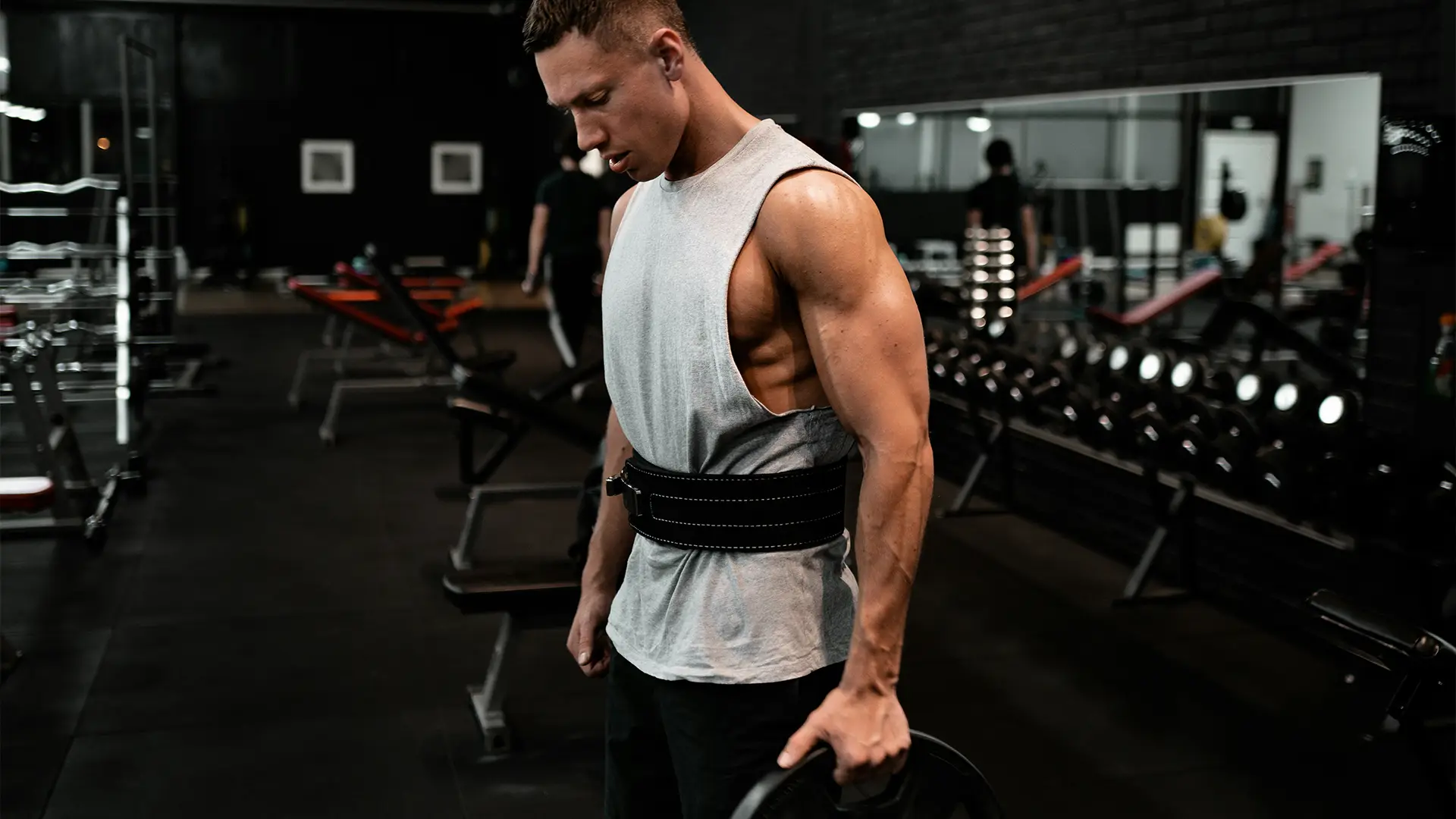
Strength training: Look for tops that allow your shoulders and arms to move freely, bottoms that stay secure during squats and lunges, and fabrics that feel comfortable under effort.
Running and cardio: Prioritise a secure fit, breathable materials, and clothing that minimises distracting movement or friction.
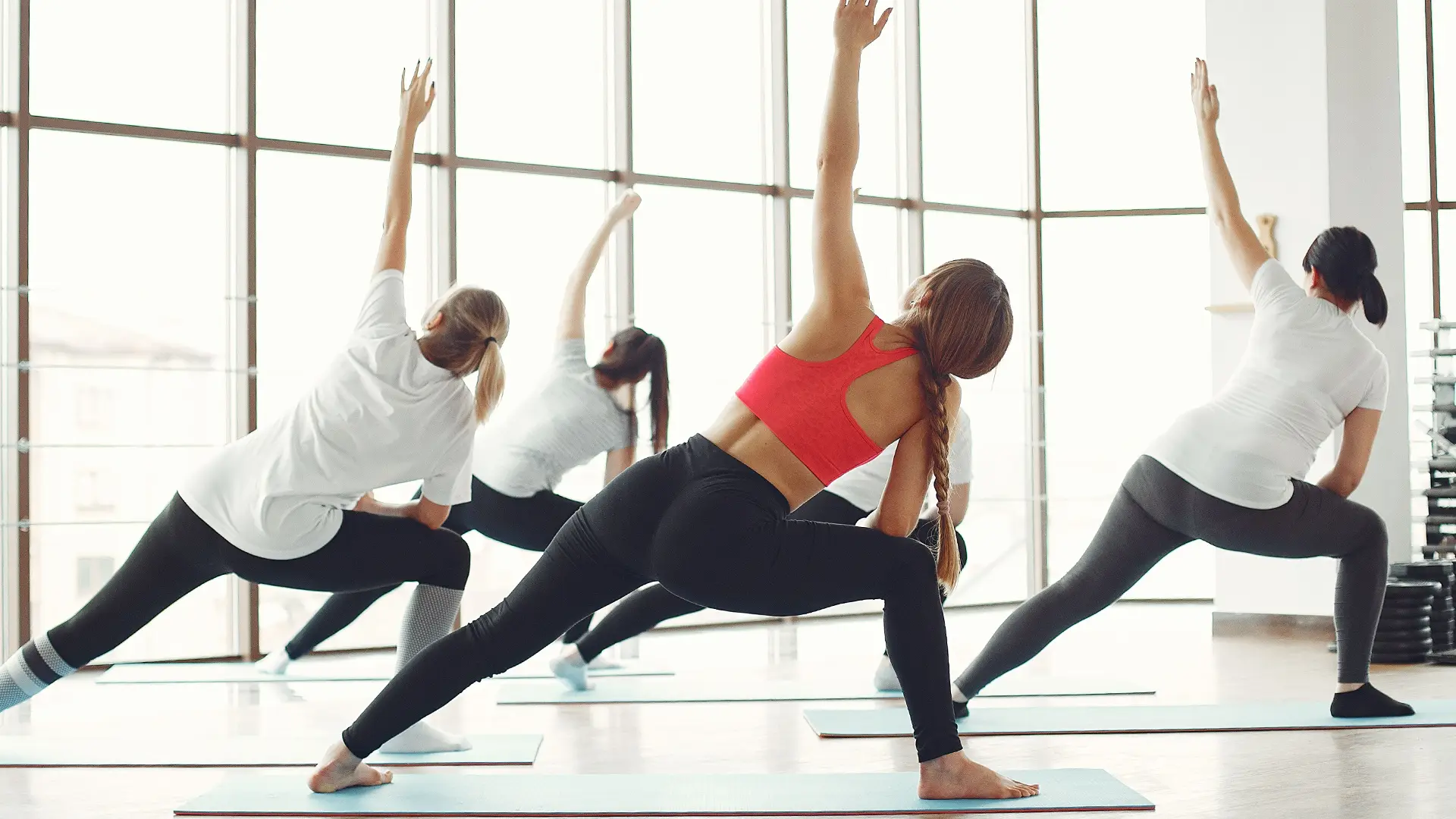
Yoga, Pilates, and mobility: Stretch, comfort, and coverage matter. You should be able to bend, reach, and change positions without constantly adjusting your outfit.
Sports and recreational activities: Choose clothing suited to the demands of the sport, including any specific rules, equipment, or movement requirements.
General active living: Versatile T-shirts, comfortable shorts, joggers, and lightweight layers can work for walks, errands, travel, and casual days.
You don’t need a separate outfit for every activity. Some pieces can comfortably cover several purposes. However, a running short designed around lightweight movement may not be your first choice for every strength session, and a heavy cotton hoodie may feel less comfortable during intense cardio.
Your first rule: buy for your real routine, not the routine you think looks impressive.
2. Build Your Gym Wardrobe Around the Essentials
Start with a reliable foundation. You can add statement pieces and seasonal colours later, but the essentials should make getting dressed almost automatic.
The quantities below are a practical starting point, not a universal rule. Adjust them to your training frequency, laundry schedule, climate, budget, and preferred activities.
Wardrobe essential
Starting quantity
What to look for
Training tops
3–5
Comfortable fit, easy movement, and suitable fabric
Training shorts
2–3
Secure waistband, useful pockets where needed, and appropriate coverage
Leggings or training trousers
1–2
Comfortable stretch, reliable fit, and no distracting adjustments
Sports bras, where relevant
2–4
Appropriate support for the activity and a comfortable fit
Lightweight layer
1–2
Easy to remove and carry as your temperature changes
Training socks
3–5 pairs
Comfortable cushioning and a fit that stays in place
Training shoes
1 suitable pair per main activity
Appropriate support, fit, and intended use
Gym bag
1
Enough space for your clothes, footwear, water, and essentials
These quantities assume you train regularly and prefer not to do laundry after every session. If you train six days a week, you may need more. If you work out twice a week and wash your clothes promptly, you may need less.
Tops: the workhorses of your wardrobe
Start with a mix of neutral and personal-favourite colours. A few well-fitting training T-shirts or performance tops can create several combinations without making your wardrobe feel repetitive.
Consider having:
One or two dependable everyday training tops.
A lightweight option for warmer conditions or more intense sessions.
A longer-sleeved top or layer for cooler environments.
Cotton can be comfortable for lighter activity, warm-ups, and casual wear. For sweaty sessions, a technical fabric designed to manage moisture may feel more comfortable. The best choice depends on the intensity of your workout, the conditions, and how you like clothing to feel.
Bottoms: choose movement over guesswork
Your bottoms should suit your activity and stay comfortable throughout it. For shorts, check the inseam, waistband, pocket placement, and whether the fabric shifts when you move. For leggings or fitted trousers, consider stretch, opacity during movement, and waistband comfort.
Try the movements you actually perform. Squat, lunge, reach, and walk around. If you spend more time pulling at your clothes than thinking about your workout, keep looking.
Layers: useful, not just stylish
A lightweight hoodie, sweatshirt, or zip-up layer can help with the journey to the gym, warm-ups, and cooler environments. Choose something easy to remove and carry once your body warms up.
A good layer should complement the rest of your wardrobe. If it only works with one outfit, it may not be as versatile as it first appears.
3. Choose Colours That Work Together
One of the easiest ways to make a small gym wardrobe feel bigger is to choose a colour palette.
Black, charcoal, white, navy, and other restrained neutrals are useful starting points because they can be combined in multiple ways. You don’t need to wear neutrals exclusively, though. A favourite blue, burgundy, red, or other accent colour can bring personality to a simple outfit.
Think of your wardrobe in three layers:
Base colours: The colours that appear most often, such as black, charcoal, navy, or white.
Supporting colours: Shades that work naturally with your base colours.
Accent colours: One or two colours you enjoy wearing and can introduce through a top, layer, or accessory.
For example, a wardrobe built around black, white, and charcoal could include a navy top or a burgundy layer without becoming difficult to coordinate.
A simple formula is to pair one dominant colour with one supporting colour. An all-black outfit can look clean and understated; a white top with charcoal bottoms feels fresh; a navy top with black shorts creates a subtle contrast.
Matching everything perfectly isn’t necessary. Coordination is enough.
And don’t choose a colour simply because it is fashionable. If you dislike wearing it, you probably won’t reach for it often.
4. Get the Fit Right Before Following Trends
Fit has an enormous influence on how gym clothes look and feel. An expensive outfit can still look awkward if the proportions don’t work, while a simple combination can look considered when each piece fits well.
There isn’t one ideal silhouette. Some people prefer fitted tops and relaxed bottoms; others like oversized shirts with shorts or tapered joggers. The goal is to choose a shape that feels comfortable, suits the activity, and looks intentional.
Understand the three basic fits
Fitted: Follows the body more closely. This can work well for activities where loose fabric would be distracting, provided the garment isn’t restrictive.
Regular: Offers room to move without excessive fabric. It’s a versatile option for most everyday training wardrobes.
Relaxed or oversized: Creates a looser silhouette and can feel comfortable for warm-ups, casual training, and activewear styling. Check that excess fabric doesn’t interfere with your movements or equipment.
Think about proportion
If your top is oversized, a more streamlined bottom can create balance. If you’re wearing fitted leggings or shorts, a relaxed top may provide the contrast you prefer.
These aren’t strict fashion laws. They’re starting points you can experiment with.
Most importantly, test the fit while moving. A top that looks great standing still may ride up when you reach overhead. Shorts may feel fine while walking but become distracting during squats. The mirror is useful; movement is the real test.
5. Pay Attention to Fabric and Construction
A gym wardrobe should feel good during the activities you actually do. That means looking beyond colour and appearance.
Cotton
Cotton is soft, familiar, and comfortable for casual wear and lighter activity. However, it absorbs moisture and can feel heavy when very sweaty. It may still be a good choice for your workout, depending on the conditions and personal preference.
Polyester and other technical synthetics
Technical synthetic fabrics are commonly used in activewear because they can be designed to dry quickly, manage moisture, and provide stretch or durability. Their performance varies with the fabric construction and garment design, so don’t assume every synthetic garment behaves the same way.
Elastane and stretch blends
Elastane is often blended with other fibres to provide stretch and help a garment move with the body. The amount of stretch, recovery, and overall comfort depend on the complete fabric and construction.
What else should you inspect?
Before buying, check:
Seams: Are they comfortable against your skin and positioned sensibly for movement?
Waistbands: Do they stay secure without digging in?
Transparency: Does the fabric provide the coverage you want when stretched or bent?
Pockets: Are they useful for your phone or keys, and do they keep items secure?
Care instructions: Can you wash and maintain the garment realistically?
Construction: Do stitching, hems, closures, and other details appear suitable for the intended use?
Don’t pay extra for technical language alone. Look for clear product information, comfortable construction, and a garment that performs the job you need it to do.
6. Match Your Footwear to Your Main Activity
Shoes are one area where versatility has limits.
A shoe that feels comfortable for casual wear may not be the best choice for running or a particular sport. Different activities place different demands on footwear, so consider the purpose for which the shoe was designed.
For a gym wardrobe, think about your main use:
Strength training: Depending on the lifts and your training style, you may prefer a stable base and a secure fit.
Running: Choose running footwear designed for the distance, surface, fit, and comfort you need.
Court sports: Look for footwear appropriate to the sport and playing surface.
General gym use: Consider the activities you perform most often and choose accordingly.
You don’t necessarily need a large shoe collection. You need footwear appropriate to your routine. If you regularly combine activities with different footwear needs, separate pairs may be a worthwhile investment.
Keep your shoes clean and in good condition, and avoid assuming that the most fashionable option is automatically the most suitable.
7. Create More Outfits With Fewer Pieces
Versatility is the secret to getting more value from your wardrobe.
Before buying something new, ask yourself how many existing pieces it works with. If a top only matches one pair of shorts, it may still be worth owning—but it isn’t doing as much work as a top that pairs with three or four bottoms.
Try these simple combinations:
Outfit formula
Why it works
Neutral top + contrasting shorts
Simple, balanced, and easy to repeat
Matching top and bottom + neutral shoes
Coordinated without requiring many accessories
Relaxed T-shirt + tapered joggers
Combines a casual silhouette with a cleaner finish
Training top + lightweight layer + shorts
Useful for changing temperatures and pre-workout wear
One accent colour + neutral basics
Adds personality without making coordination difficult
Take a few minutes to try combinations from your existing wardrobe. You may discover that you already have more options than you thought.
A useful test is the three-outfit rule: before purchasing a new piece, try to identify at least three outfits you could build around it. This isn’t a law, but it’s a practical way to reduce impulse purchases and improve versatility.
8. Spend Strategically Instead of Buying Everything at Once
You don’t need to replace your entire wardrobe in one shopping trip.
Start by identifying the gaps that affect you most. Perhaps you only have one comfortable training top, your shorts don’t stay in place, or your shoes aren’t suitable for your main activity. Address those problems first.
A sensible buying order is:
Fix the functional gaps. Prioritise comfort, suitable footwear, and clothing that works for your main activity.
Build enough rotation. Make sure you have sufficient clean clothing for your training schedule and laundry routine.
Improve versatility. Add pieces that coordinate with several items you already own.
Introduce personal style. Explore new colours, silhouettes, textures, and matching sets once the foundation works.
When comparing prices, consider cost per wear as well as the initial price. A simple garment you wear frequently may offer better value than a more expensive statement piece you rarely use. But a low price isn’t good value if the fit, construction, or comfort means you avoid wearing it.
You also don’t need to buy a premium version of every item. Spend where comfort, fit, construction, or activity-specific requirements matter most to you. Save on pieces where a simpler option meets your needs.
9. Take Care of the Clothes You Already Own
A wardrobe only works when its pieces remain comfortable and ready to wear.
Follow each garment’s care label. In general, consider these habits:
Wash sweaty clothing promptly rather than leaving it damp in a gym bag.
Separate garments according to care instructions and washing needs.
Avoid excessive heat when the label recommends lower-temperature care.
Close zips and fasteners where appropriate to reduce snagging.
Let clothing dry fully before storing it.
Inspect seams, waistbands, and worn areas before they become a bigger problem.
You don’t need a complicated laundry ritual. You need a routine that keeps your clothes clean, comfortable, and ready for the next session.
And if a garment has lost its fit, developed persistent damage, or no longer suits your activities, reassess whether it still deserves a place in your rotation.
10. Your Gym Wardrobe Checklist
Before you buy anything else, use this checklist to evaluate what you already have.
I have enough comfortable training tops for my routine.
My shorts, leggings, or trousers stay comfortable during movement.
I have suitable footwear for my main activity.
Most of my clothes coordinate with several other pieces.
My wardrobe includes options appropriate to the conditions in which I train.
I have enough clean clothing to support my laundry schedule.
I know which items need replacing and why.
I feel comfortable and confident in the clothes I wear.
If you can’t tick every box, that’s useful information—not a reason to go on a shopping spree. Identify the biggest gap and address it first.
The Best Gym Wardrobe Is the One You Actually Use
Building a gym wardrobe that works isn’t about owning the most clothes, following every trend, or turning every workout into a fashion shoot. It’s about choosing pieces that support your movement, suit your routine, coordinate naturally, and make you feel comfortable in your own style.
Start with the essentials. Choose a palette that makes combining outfits easy. Prioritise fit, function, and suitable footwear. Buy deliberately, take care of what you own, and add personality as your wardrobe develops.
When your clothes work together, getting ready becomes simpler—and your attention can return to what brought you to the gym in the first place.
Explore Privé Anthony for athletic style and active-lifestyle inspiration, and build a wardrobe that moves with you.
Without enough recovery, the fatigue from one session can carry into the next, making it harder to maintain good technique, perform at your usual level, or follow your programme consistently.
Learn how to improve workout performance through smarter training, better recovery, focused sessions, and consistent habits—without simply working harder.