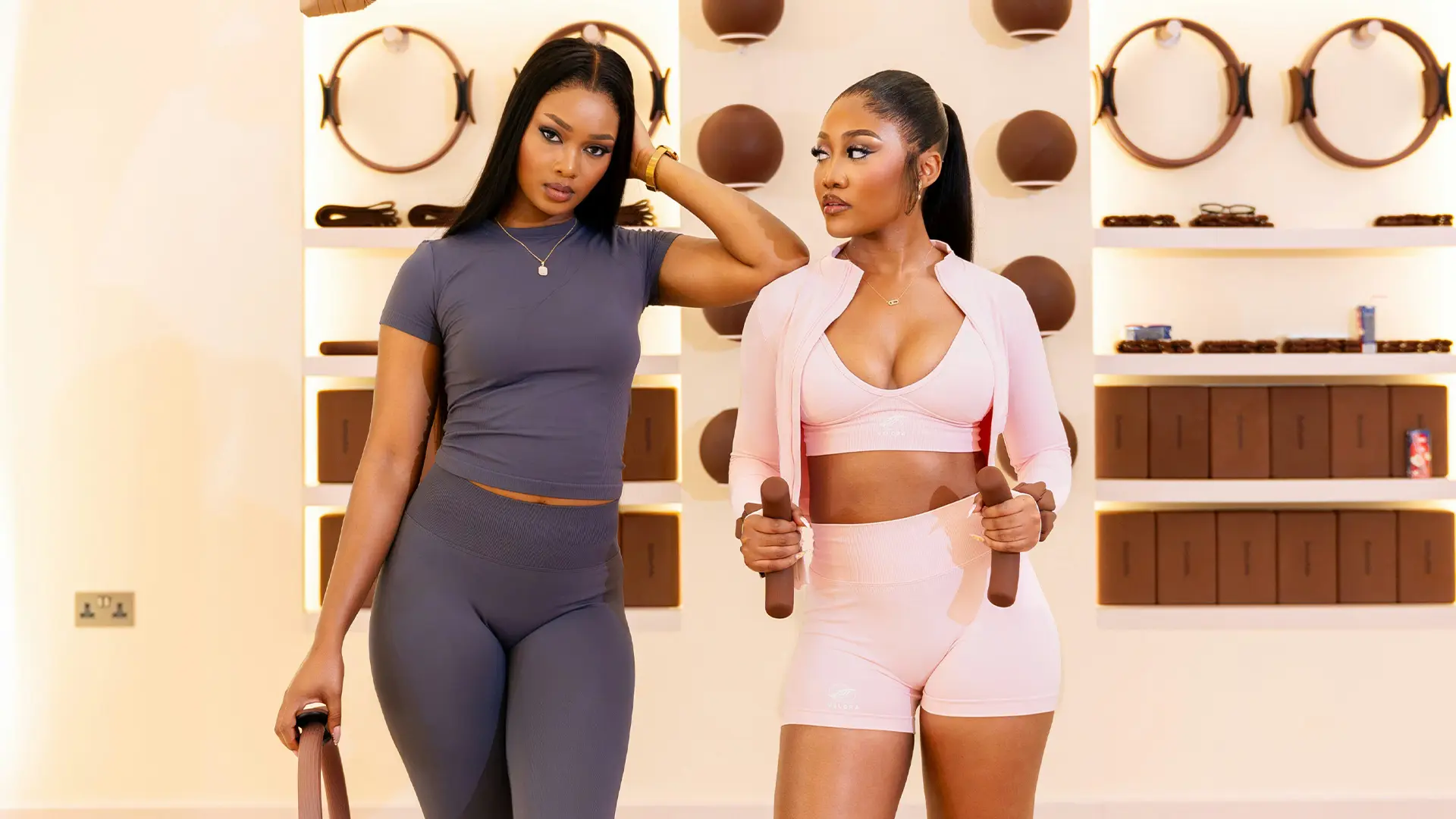
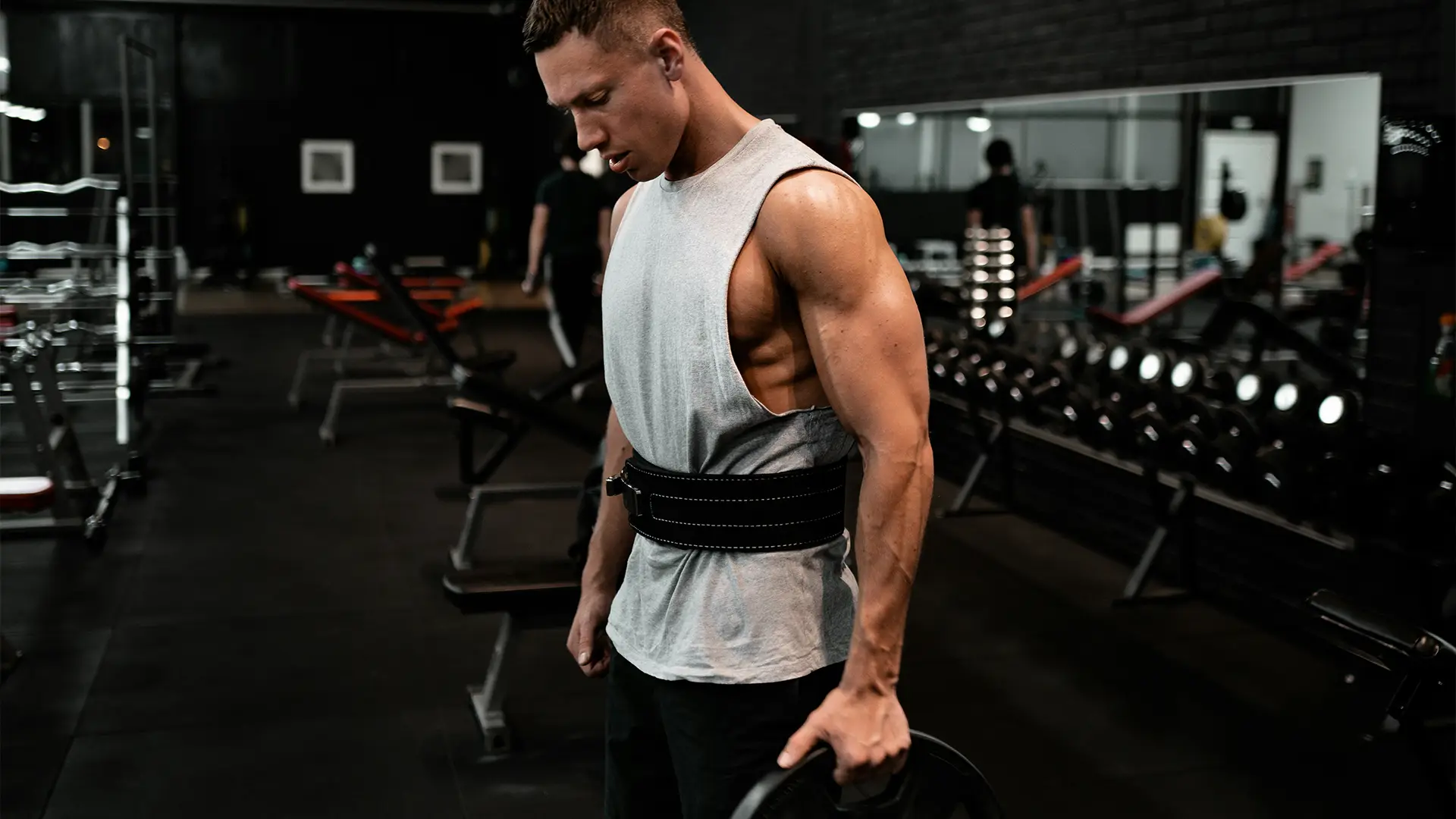
Learn how to look stylish at the gym with simple outfit combinations, flattering fits, versatile colors, and practical sportswear styling tips.
Some people walk into the gym wearing the simplest outfit imaginable and somehow look effortlessly put together. A well-fitting T-shirt. Clean trainers. Shorts that sit just right. Nothing flashy, nothing complicated.
Then there are outfits with three competing colours, oversized logos, unnecessary accessories, and enough visual activity to distract someone halfway across the room.
The difference isn’t necessarily how much money was spent. It’s how thoughtfully the pieces work together.
Learning how to look stylish at the gym is less about chasing trends and more about understanding fit, proportion, colour, and the purpose of what you’re wearing. The best gym outfits look intentional without appearing as though you’ve spent 45 minutes styling yourself for a workout.
Here’s how to get that balance right.
1. Get the Fit Right Before Anything Else
You can have excellent colours, premium-looking pieces, and the perfect trainers. But if your clothes fit poorly, the entire outfit can feel off.
Fit is the foundation of good gym style.
Your clothing should complement your proportions while allowing you to squat, stretch, run, lift, and move comfortably. That means avoiding two common extremes: clothing so tight that movement feels restricted and oversized pieces that interfere with your workout.
What good gym fit looks like
T-shirts and tops: The shoulder seams, where applicable, should sit appropriately, and the fabric should allow comfortable movement through your upper body.
Shorts: Choose a length and cut that suit your preferences and allow unrestricted movement. The waistband should stay secure without digging in.
Leggings and fitted bottoms: Look for a secure, comfortable fit that stays in place during movement without excessive compression.
Joggers: A tapered silhouette can create a clean appearance, provided the fabric and cut still allow comfortable movement.
Sports bras and supportive tops: Choose the level of support appropriate to your activity, with a fit that feels secure rather than uncomfortable.
The goal isn’t to make every garment tight or tailored. It’s to choose pieces that look deliberate and function properly.
Style principle: If you constantly need to pull, adjust, or reposition a garment, it may not be the right fit for your workout.
2. Build Around a Simple Colour Palette
One of the easiest ways to make gym outfits look more refined is to simplify the colours.
Black, white, charcoal, grey, navy, and earthy neutrals are versatile foundations because they can be combined in numerous ways. They also make it easier to coordinate tops, bottoms, and footwear without buying an entirely matching set.
You don’t have to wear black from head to toe to look stylish. You simply need colours that work together.
Three colour combinations worth trying
Combination
The look
How to wear it
Black and white
Clean and timeless
Black shorts, a white T-shirt, and simple trainers
Charcoal and grey
Understated and modern
Charcoal joggers with a lighter grey top
Navy and cream
Relaxed and refined
Navy bottoms, a cream top, and neutral footwear
Want more personality? Introduce one accent colour through a top, socks, or another small detail.
The trick is to give the outfit a visual direction. If every piece is competing for attention, nothing stands out particularly well.
And if you love bright colours, wear them. Minimalism is a useful styling tool, not a dress code.
3. Understand Proportion: The Secret to a More Intentional Outfit
Fit and proportion are related, but they aren’t the same thing.
Fit concerns how a garment sits on your body. Proportion concerns how the different pieces look together.
For example, an oversized top paired with more fitted bottoms creates a different silhouette from a fitted top paired with relaxed joggers. Neither is automatically better. The effect depends on the cut, length, fabric, and overall balance.
Three easy ways to balance an outfit
Relaxed top, streamlined bottoms. An oversized training T-shirt can work well with fitted shorts or tapered joggers, provided the shirt doesn’t obstruct your movement.
Fitted top, relaxed bottoms. A closer-fitting top paired with relaxed training trousers creates contrast without requiring extra colours or accessories.
Coordinated pieces, different textures. A smooth training top with textured shorts or subtly contrasting fabrics can make a simple outfit feel more considered.
You don’t need to follow strict fashion rules about which body types should wear particular silhouettes. Experiment with proportions that make you feel comfortable and confident.
The aim is visual balance, not hiding or correcting your body.
4. Choose Fabrics That Work as Hard as You Do
Gym style has to survive the workout.
A top might look excellent in the mirror, but if it becomes uncomfortable during training, the outfit has failed at its most important job.
Consider the activity you’re dressing for. Strength training, outdoor running, cycling, and lower-intensity gym sessions can have different clothing requirements.
When choosing sportswear, pay attention to:
Moisture management: Fabrics designed to move perspiration away from the skin can help you feel more comfortable during sweaty sessions.
Stretch and mobility: A suitable amount of stretch can help clothing accommodate movements such as squats, lunges, and overhead presses.
Breathability: Consider how the fabric feels during exercise and whether it suits the temperature and intensity of your activity.
Opacity and coverage: Check that the garment provides the coverage you want during bending, stretching, and other movements.
Durability and care: Consider stitching, fabric construction, washing instructions, and how frequently you expect to wear the piece.
Not every workout requires technical clothing. A comfortable T-shirt and suitable shorts may be perfectly adequate for a straightforward gym session.
The point is to choose clothing that supports the activity rather than sacrificing comfort for appearance.
5. Let Your Footwear Complete the Outfit
Shoes can change the entire impression of a gym outfit. They can also influence how suitable your clothing is for the activity.
Instead of choosing trainers purely because they’re fashionable, start with the type of training you do.
Running shoes are designed with running in mind. Shoes intended for strength training may offer a different platform and feel. Court sports and other activities have their own footwear considerations.
Once you’ve identified footwear appropriate for your activity, consider how it complements your outfit.
Neutral trainers are versatile and easy to coordinate. A contrasting pair can become the focal point of a simple outfit. Coordinating your shoes with one other colour in your clothing can also create a subtle sense of cohesion.
Keep them clean and in good condition, while recognizing that workout shoes will naturally show wear with use.
A useful rule: Choose the right shoe for the workout first, then style the outfit around it.
6. Use Accessories With Restraint
Accessories can make a gym outfit more functional and personal. They can also become unnecessary distractions if you add them without a clear reason.
Start with the essentials: a water bottle, a gym bag, and whatever equipment or tracking device you genuinely use.
A watch can be useful for tracking activity or timing intervals. A cap may make sense for an outdoor session. A gym bag in a complementary colour can bring the overall look together.
But you don’t need to wear every accessory you own.
For training, avoid jewellery or loose accessories that could catch on equipment or interfere with movement. Follow the rules of your gym and the safety requirements of your activity.
When it comes to style, restraint often creates a cleaner result. One or two useful, well-chosen details can do more than a collection of unrelated accessories.
7. Know When to Wear Matching Sets
Matching gym sets can make getting dressed much easier. Because the pieces already share a colour or design language, the outfit looks coordinated without requiring much thought.
They can also be a practical starting point if you’re building a sportswear wardrobe from scratch.
However, matching everything isn’t the only way to create a cohesive look.
You can combine separate pieces by repeating a colour, keeping the palette consistent, or balancing one statement garment with simpler basics.
For example:
A black training top with charcoal shorts.
A white top with navy joggers.
A neutral matching set with contrasting trainers.
A simple base outfit with one brighter accent piece.
The advantage of buying versatile pieces separately is that you can create more combinations from the same wardrobe.
Think in outfits rather than individual purchases. A garment that works with three other pieces is often more useful than one that only looks right as part of a single set.
8. Keep Your Gym Clothes Fresh and Well Maintained
A stylish outfit isn’t only about what you buy. It’s also about how you care for it.
Clean clothing, intact seams, secure waistbands, and fabric that retains its intended fit all contribute to a polished appearance.
Make a habit of washing gym clothes according to their care labels and allowing them to dry properly before storing them. Avoid leaving damp workout gear sealed in a bag for extended periods.
Check your wardrobe occasionally for pieces that have become uncomfortable, excessively worn, or unsuitable for your current activities.
You don’t need a huge collection of sportswear. A smaller wardrobe of clean, comfortable, versatile pieces can make getting dressed simpler and reduce unnecessary purchases.
And remember that maintenance is more useful than obsessing over keeping every garment looking brand-new. Athletic clothing is meant to be worn.
9. Dress for Your Workout, Not Just the Mirror
This is where gym style becomes more than appearance.
The most successful outfit is one that looks good and allows you to do what you came to do.
If you’re lifting weights, you need clothing that accommodates your range of motion. If you’re running, comfort, fit, and appropriate footwear matter. If you’re attending a mobility session, restrictive clothing may make certain movements less comfortable.
Before leaving home, ask yourself:
Can I move comfortably in this outfit?
Is the clothing suitable for today’s activity?
Does the fabric feel appropriate for the conditions?
Will I need to keep adjusting anything?
Do I feel confident wearing it?
If the answer to those questions is yes, you’ve already solved most of the problem.
You don’t have to dress for an imaginary audience. You have to dress for the session you’re about to do.
The Five-Minute Gym Style Formula
If you want to look put together without overthinking it, use this simple checklist.
1. Start with one reliable base. Choose a comfortable top and bottoms suited to your workout.
2. Pick two or three complementary colours. Keep the palette simple unless you’re deliberately creating a more expressive look.
3. Check the silhouette. Consider how the fit and proportions work together.
4. Choose appropriate footwear. Let the activity determine what kind of shoe you need.
5. Add only useful finishing touches. A watch, bag, or other practical accessory is enough if it serves a purpose.
Finally, check that everything is comfortable and ready for movement.
That’s it. No complicated styling routine required.
The Bottom Line: Effortless Style Is About Making Better Choices
Looking stylish at the gym without trying too hard doesn’t mean caring less about what you wear. It means knowing which details matter and which ones you can ignore.
Prioritize fit. Build a versatile colour palette. Pay attention to proportion. Choose fabrics and footwear that suit your training. Keep your clothes in good condition, and let your personal preferences guide the final look.
You can be understated or expressive, wear matching sets or mix individual pieces, and prefer fitted or relaxed silhouettes. There isn’t one correct gym aesthetic.
The best outfit is the one that feels like you, works for your workout, and gives you one less thing to think about once you start moving.
Your next move: Put together three gym outfits using pieces you already own. Try different colour combinations and proportions, then keep the combinations that feel comfortable, practical, and unmistakably yours. Explore Privé Anthony for more inspiration on athletic style, performance, and modern active living.
Without enough recovery, the fatigue from one session can carry into the next, making it harder to maintain good technique, perform at your usual level, or follow your programme consistently.
Learn how to improve workout performance through smarter training, better recovery, focused sessions, and consistent habits—without simply working harder.